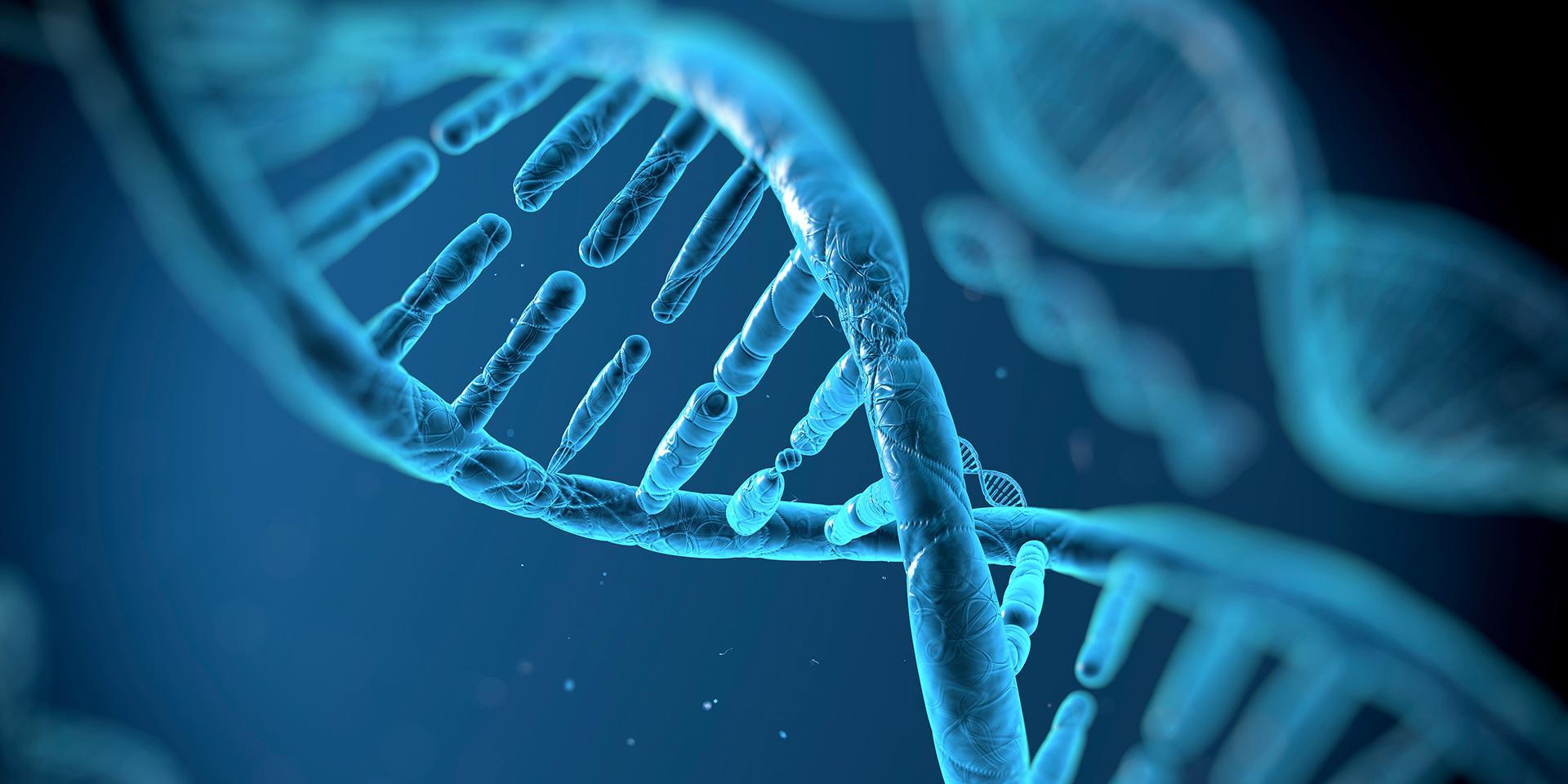
A Giant-Sized History Of Biotechnology: From The Dawn Of Agriculture To The Era Of CRISPR
Executive Summary
This giant-sized history traces biotechnology’s evolution through three distinct eras: the Ancient Era (pre-1800), marked by empirical discoveries and traditional practices; the Classical Era (1800-1945), characterized by the emergence of scientific understanding and industrial fermentation; and the Modern Era (1945-present), defined by molecular manipulation and genetic engineering. Each era builds upon the last, yet the fundamental human drive remains constant—to harness life’s processes for human benefit, from brewing better beer to curing cancer.
Introduction
Biotechnology—the manipulation of living organisms to create useful products—is simultaneously one of humanity’s oldest practices and newest frontiers. Long before we understood the microscopic world or could spell DNA, our ancestors were already bioengineers, transforming milk into cheese, grapes into wine, and wild grasses into cultivated crops. Today, we edit genes with molecular scissors, grow organs in laboratories, and design synthetic life forms. This remarkable journey from accidental discovery to deliberate design spans over 15,000 years of human innovation.
What makes biotechnology unique among human endeavors is its exponential trajectory. For thousands of years, progress came through trial and error—ancient brewers perfecting their craft without knowing yeast existed, farmers selecting seeds without understanding genetics. The pace quickened dramatically in the 19th century as scientists like Pasteur and Koch revealed the invisible world of microorganisms. Then, with Watson and Crick’s discovery of DNA’s structure in 1953, biotechnology transformed from an art into a precise science. The last several decades have witnessed an explosion of capabilities that would seem like magic to previous generations: insulin-producing bacteria, disease-resistant crops, gene therapies that cure inherited disorders, and synthetic organisms designed from scratch.
A Giant-Sized History Of Biotechnology
Historically, biotech has been primarily associated with food, addressing such issues as malnutrition and famine. Today, biotechnology is most often associated with the development of drugs. But drugs are hardly the future of biotech. We’ve entered the Fourth Industrial Revolution (4IR), and genetics are on a new level. Biotech is paving a way for a future open to imagination, and that’s kind of scary. The next ten years will surely prove exciting as artificial intelligence and biotechnology merge man and machine. The history of biotechnology can be divided into three distinct phases:
- The Ancient Era Of Biotechnology (Pre-1800)
- The Classical Era Of Biotechnology (1800-1945)
- The Modern Era Of Biotechnology (1945-Present)
1. The Ancient Era Of Biotechnology (Pre-1800)
Most biotechnology developments before 1800 emerged from careful observation of nature and practical experimentation with living organisms. Still, by the end of the 18th century, humanity had achieved remarkable biotechnological developments:
- Domestication: Virtually all major food crops and livestock animals were domesticated and selectively bred for desired traits
- Fermentation: Widespread use of controlled fermentation for food preservation, beverages, and bread-making, though the microbial basis remained poorly understood
- Medicine: Extensive pharmacopoeia of plant-based medicines, honey for antimicrobial treatment, and the first vaccine
- Agriculture: Sophisticated techniques including grafting, crop rotation, selective breeding, and hybrid production
- Microscopy: Discovery of microscopic life and cells, establishing that biology operates at scales beyond human vision
- Classification: Systematic approaches to organizing knowledge about living organisms
The stage was set for the 19th century, when scientists would begin understanding the mechanisms behind these ancient biotechnologies – the role of microorganisms in fermentation and disease, the principles of heredity, and the evolutionary processes that shape life.
Chronology
This chronology traces the major milestones in biotechnology from the dawn of agriculture through the end of the 18th century, revealing how our ancestors’ curiosity and ingenuity created innovations that would feed civilizations, cure diseases, and ultimately transform human society.
Prehistoric Era (Before 3000 BCE)
- c. 15,000-10,000 BCE: Dogs become the first domesticated animals, likely from gray wolf ancestors. This marks humanity’s first deliberate selective breeding program, creating animals better suited to human companionship and work.
- c. 10,000-8,000 BCE: The Neolithic Revolution begins in the Fertile Crescent. Wild wheat (emmer and einkorn), barley, peas, and lentils undergo domestication through generations of selective breeding. This represents the foundation of agriculture and human civilization.
- c. 9,000-8,000 BCE: Early evidence of beer brewing emerges in the Near East, showing humans discovered fermentation processes. Sheep domestication begins, providing wool, meat, and milk.
- c. 8,500-8,000 BCE: Goats, pigs, and cattle are domesticated in various regions of the Fertile Crescent. These animals become central to food production systems.
- c. 8,000-7,000 BCE: Rice domestication begins in China’s Yangtze River valley. Millet cultivation starts in northern China.
- c. 7,000-6,000 BCE: Evidence of fermented beverages (beer and possibly wine) becomes widespread across multiple Near Eastern cultures. Cat domestication begins in the Near East as agricultural settlements attract rodents.
- c. 6,500-5,500 BCE: Cattle husbandry becomes well-established for milk, meat, and labor. Horses are domesticated in the Eurasian steppes.
- c. 6,000-5,000 BCE: Wine fermentation from grapes develops in the Caucasus region (modern Georgia/Armenia area). Archaeological evidence shows wine residue in pottery vessels.
- c. 5,500-5,000 BCE: Ancient honey preservation demonstrates antimicrobial properties that prevent spoilage. Honey from this period found in Georgian archaeological sites remains chemically stable.
- c. 5,000-4,000 BCE: Corn (maize) begins gradual domestication in Mesoamerica from its wild ancestor teosinte through selective breeding over many generations. Coffee plants are used in Ethiopian highlands. Soybeans are domesticated in northern China.
- c. 4,000 BCE: Egyptians develop leavened bread using wild yeast fermentation, a major advancement in food technology. Evidence of fermented beverages increases across many cultures.
Ancient Civilizations (3000 BCE – 1 CE)
- c. 3,000 BCE: Silkworm (Bombyx mori) domestication in China leads to silk production – the first large-scale insect farming. Systematic horse breeding for specific traits advances. Natural vegetable fermentation (preservation through lactic acid fermentation) develops independently in various cultures.
- c. 2,500-2,000 BCE: Fruit tree cultivation through selective breeding and grafting becomes sophisticated in China and the Mediterranean. Orange, peach, apple, and fig cultivation advance significantly.
- c. 2,300-2,000 BCE: Crossbreeding of horses and donkeys produces mules, demonstrating early understanding of hybrid vigor and inheritance of traits.
- c. 2,000 BCE: Ancient Egyptian medical texts document early pharmaceutical uses of natural products, including honey for wound treatment due to its antimicrobial properties. Chinese medical texts similarly document honey’s therapeutic applications.
- c. 1,700-1,600 BCE: Agricultural texts from Mesopotamia show sophisticated understanding of crop rotation, fallow periods, and soil fertility management.
- c. 1,600-1,500 BCE: Egyptian medical papyri (Edwin Smith and Ebers Papyri) document extensive use of plant-based medicines and moldy bread for treating infections. While they didn’t understand antibiotics scientifically, the empirical observation was accurate. Indian Ayurvedic texts systematically categorize plants and their medicinal properties.
- c. 1,200-1,000 BCE: Evidence of dairy processing techniques including cheese-making through bacterial fermentation. Babylonian medical texts document sophisticated herbal medicine practices.
- c. 1,000-500 BCE: Chinese silkworm breeding becomes highly systematized with documented techniques. Greek and Roman agriculture texts show advanced understanding of plant grafting, animal breeding selection, and crop management.
- c. 700-600 BCE: The koji fermentation process using Aspergillus oryzae molds becomes documented in East Asia for breaking down rice starches, enabling sake production and other fermented foods.
- c. 600-400 BCE: Multiple cultures document using moldy foods for treating infections – moldy soybean curds in China, moldy cheese in Eastern Europe. Greek physicians including Hippocrates document honey’s antimicrobial properties and vinegar’s medicinal uses.
- c. 400-300 BCE: Greek natural philosophers begin systematic classification of living organisms. Aristotle describes hundreds of animal species and their characteristics, laying groundwork for biological taxonomy.
- c. 300-200 BCE: Hellenistic period sees advances in botanical gardens and systematic plant collection. Agricultural treatises document sophisticated grafting and breeding techniques.
- c. 100 BCE – 100 CE: Roman agriculture reaches high sophistication. Multiple treatises (Cato, Varro, Columella) document crop rotation, selective breeding of livestock, viticulture, and olive cultivation. Rome’s bakery industry uses controlled yeast fermentation on a large scale.
Classical To Medieval Period (1-1500 CE)
- c. 100-200 CE: Chinese texts document the first biological pesticide made from powdered chrysanthemum flowers (containing natural pyrethrins). Chinese agriculture develops sophisticated silkworm rearing methods.
- c. 500-700 CE: Mesoamerican cultures (particularly Aztecs) harvest Spirulina algae from alkaline lakes for food – early use of microalgae as a nutritional source.
- c. 700-1000 CE: Japanese koji fermentation techniques become highly refined for producing sake, miso, and soy sauce. Islamic scholars preserve and expand Greek and Roman knowledge of agriculture, medicine, and natural history during Europe’s early medieval period.
- c. 1000-1200 CE: Medieval European monasteries become centers of selective plant breeding, particularly for medicinal herbs and improved crop varieties. Distillation techniques advance, allowing concentration of alcohol for medicines and preservation.
- 13th-14th centuries: Agricultural innovations spread through medieval Europe including three-field crop rotation and improved animal breeds. Aztec Spirulina cultivation is well-documented by this period. Vinegar production through controlled bacterial fermentation (Acetobacter) becomes an established industry in France.
- 15th century: European exploration documents diverse biotechnology practices worldwide – fermented beverages (pulque, chicha, palm wine), selective breeding of crops like potatoes and tomatoes in the Americas, and various preservation techniques.
Scientific Revolution Era (1500-1800)
- 1590s: Development of the compound microscope by Dutch spectacle makers (Hans and Zacharias Janssen credited, though disputed) enables future biological discoveries.
- 1663: Robert Hooke publishes “Micrographia,” describing cells observed in cork tissue. While he sees only dead cell walls, this introduces the term “cell” and establishes microscopy as a biological tool.
- 1674-1683: Antonie van Leeuwenhoek, using self-made single-lens microscopes of unprecedented quality, discovers microorganisms including bacteria (“animalcules”) in various samples. He observes yeast cells, bacteria from tooth plaque, and protozoa from pond water. These observations prove that microscopic life exists, though their role in fermentation and disease remains unknown.
- 1676: Van Leeuwenhoek observes and describes sperm cells from various animals, beginning the understanding of sexual reproduction at the cellular level.
- 1680s: Van Leeuwenhoek provides detailed descriptions and drawings of yeast cells, the first microscopic visualization of fermentation organisms, though he doesn’t understand their metabolic role.
- 1735: Carl Linnaeus publishes “Systema Naturae,” establishing binomial nomenclature for classifying organisms. This systematic approach to taxonomy becomes the foundation for organizing biological knowledge.
- 1749-1804: Comte de Buffon publishes “Histoire Naturelle,” a comprehensive natural history that influences thinking about species variation and change over time.
- 1760s-1770s: Lazzaro Spallanzani’s experiments with sealed flasks and boiled broths challenge spontaneous generation theory, though the debate continues for another century.
- 1761: Joseph Gottlieb Kölreuter publishes experimental work on plant hybridization, demonstrating hybrid vigor and sexual reproduction in plants. This represents the first systematic study of plant genetics.
- 1779: Jan Ingenhousz discovers that plants release oxygen in sunlight, establishing the basis for understanding photosynthesis and plant metabolism.
- 1796: Edward Jenner performs the first vaccination using cowpox material to protect against smallpox. This represents the first scientific use of biological material to confer immunity and establishes the principle of vaccination.
- 1798: Thomas Malthus publishes “An Essay on the Principle of Population,” discussing limits to population growth based on food resources. While not biotechnology directly, this influences later evolutionary thinking and agricultural development concerns.
2. The Classical Era Of Biotechnology (1800-1945)
The classical era of biotechnology began with empirical observations of fermentation and evolved into sophisticated understanding of cellular processes, genetics, and biochemistry. This period established the scientific principles and industrial practices that would define biotechnology as both a scientific discipline and an economic force, culminating in the mass production of antibiotics during World War II that demonstrated the life-saving potential of biological manufacturing at scale. By the end of World War II, biotechnology had evolved from empirical craft into a sophisticated scientific enterprise:
- Microbiology and Disease: The germ theory of disease was firmly established, with specific microorganisms identified as causes of major diseases. Vaccines and antitoxins had conquered several deadly infections, and antibiotics were beginning to revolutionize medicine.
- Industrial Fermentation: Controlled microbial fermentation produced diverse products including antibiotics, organic acids, solvents, and vitamins. The principles and techniques developed during this era created the foundation for modern industrial biotechnology.
- Genetics: The rediscovery of Mendel’s laws, combined with chromosome theory and the identification of DNA as hereditary material, established genetics as a rigorous science. The connection between genes and enzymes provided the first molecular understanding of how genes work.
- Biochemistry: Scientists had isolated and characterized enzymes, hormones, and vitamins. Cell-free systems demonstrated that biological processes could be studied chemically. The electron microscope revealed biological structures at unprecedented resolution.
- Agricultural Chemistry: Synthetic fertilizers and scientific understanding of plant nutrition have transformed agriculture. Selective breeding programs, informed by Mendelian genetics, improved crop yields and livestock production.
- Public Health: Pasteurization, aseptic techniques, and understanding of disease transmission created modern public health practices. Safe blood transfusions, insulin for diabetes, and antibiotics for infections demonstrated biotechnology’s power to save lives.
- Conceptual Framework: The establishment of cell theory, evolution by natural selection, germ theory, and the beginnings of molecular biology created an integrated understanding of life. Scientists recognized that biology could be understood through chemistry and physics while maintaining its distinctive principles.
The stage was set for the molecular biology revolution of the second half of the 20th century, when the structure of DNA would be revealed, the genetic code deciphered, and recombinant DNA technology developed—transforming biotechnology from a primarily observational and empirical science into a precise engineering discipline.
Chronology
This chronology traces the key milestones that shaped our understanding and application of biological principles, documenting how pioneering scientists and entrepreneurs transformed laboratory observations into technologies that would revolutionize medicine, agriculture, and industry.
Industrial Beginnings & Early Bioprocessing (1800-1850)
- 1801: Franz Karl Achard establishes the world’s first beet sugar factory at Kunern (Cunern), Silesia, with support from King Frederick William III of Prussia. This pioneering venture demonstrates industrial-scale extraction and processing of biological products. Though initial operations face economic challenges, the factory marks the beginning of large-scale bioprocessing and establishes that sugar can be commercially produced from crops grown in temperate climates rather than relying solely on tropical sugarcane.
- 1810: Nicolas Appert publishes “L’Art de conserver, pendant plusieurs années, toutes les substances animales et végétales” (The Art of Preserving All Kinds of Animal and Vegetable Substances for Several Years), describing his method of food preservation through heat treatment in sealed glass containers. This work establishes the foundation for the modern canning industry and represents the first scientific approach to food preservation, though Appert himself doesn’t understand the microbiological basis of his technique. The French government awards him 12,000 francs for making his process public, recognizing its strategic importance for feeding armies.
- 1833: French chemist Anselme Payen and his colleague Jean-François Persoz isolated diastase (now known as amylase) from malt extract, marking the first enzyme ever discovered and purified. They demonstrate that this substance can convert starch into sugar without being consumed in the process, establishing the concept of biological catalysis that would become fundamental to biochemistry and industrial biotechnology.
- 1835: French physicist Charles Cagniard de la Tour observes yeast cells budding under a microscope and proposes that these living organisms cause alcoholic fermentation. His work, published independently around the same time as similar observations by Theodor Schwann and Friedrich Kützing, begins to challenge the prevailing chemical theory of fermentation. Despite resistance from prominent chemists like Justus von Liebig, these observations establish the biological nature of fermentation.
- 1838-1839: German botanist Matthias Schleiden and physiologist Theodor Schwann propose cell theory, establishing that all living organisms are composed of one or more cells and that the cell is the basic unit of life. This foundational principle unifies biology and provides the conceptual framework for understanding living processes at the microscopic level. Schwann extends the theory to animals after Schleiden proposed it for plants, creating a universal biological principle.
- 1840: German chemist Justus von Liebig publishes “Organic Chemistry in its Application to Agriculture and Physiology,” establishing the field of agricultural chemistry. His work demonstrates that plants require mineral nutrients from soil and that fertilizers can be scientifically formulated, revolutionizing agricultural practice and laying groundwork for the fertilizer industry.
- 1843: English entrepreneur John Bennet Lawes patents a process for producing superphosphate fertilizer by treating phosphate rock with sulfuric acid. This innovation creates the first manufactured fertilizer and establishes the fertilizer industry, dramatically increasing agricultural productivity and demonstrating the commercial application of agricultural chemistry.
The Dawn Of Microbiology (1850-1880)
- 1850s: French veterinarian Casimir Davaine observes rod-shaped bacteria in the blood of animals with anthrax, making one of the earliest connections between specific microorganisms and disease. Though he cannot yet prove causation, his careful observations contribute to the developing germ theory of disease.
- 1854-1857: Louis Pasteur begins his groundbreaking work on fermentation at the University of Lille in France. In 1857, he demonstrated that lactic acid fermentation is caused by specific living microorganisms, not spontaneous generation or purely chemical processes. This work establishes that fermentation is a biological process performed by microbes, fundamentally changing chemistry and biology.
- 1859: Charles Darwin publishes “On the Origin of Species by Means of Natural Selection,” presenting evidence for evolution through natural selection. While not directly about biotechnology, Darwin’s work provides the theoretical framework for understanding biological variation, heredity, and how species change over time—concepts fundamental to selective breeding and later genetic engineering.
- 1860-1861: Louis Pasteur conducts his famous swan-neck flask experiments that definitively disprove spontaneous generation. By demonstrating that microorganisms come from other microorganisms rather than arising spontaneously, Pasteur establishes a crucial principle of microbiology and opens the door for understanding disease transmission and developing sterile techniques.
- 1862-1864: Pasteur develops and patents the pasteurization process, initially for preserving wine by heating it to temperatures that kill harmful microorganisms without significantly affecting taste. This process, later applied to milk and other beverages, became one of the most important public health innovations in history. In 1865, Pasteur saved France’s silk industry by identifying the microbial diseases (pébrine and flacherie) affecting silkworms and developing methods to prevent their spread.
- 1865: Augustinian friar Gregor Mendel presents his laws of inheritance at two meetings of the Natural History Society in Brno (February 8 and March 8), based on eight years of experiments with approximately 30,000 pea plants. His work, published in 1866 as “Versuche über Pflanzenhybriden” (Experiments on Plant Hybridization), describes how traits are inherited in predictable patterns through discrete factors (later called genes). The work received little attention during Mendel’s lifetime but, when rediscovered in 1900, became the foundation of genetics.
- 1869: Swiss physician Friedrich Miescher isolates “nuclein” (DNA) from the nuclei of white blood cells obtained from pus-soaked surgical bandages. Though he doesn’t understand its function, this discovery marks the first isolation of nucleic acids and begins the long path toward understanding hereditary material at the molecular level.
- 1872: German botanist Ferdinand Cohn publishes the first systematic classification of bacteria, dividing them into four groups based on shape. His work establishes bacteriology as a scientific discipline distinct from botany and provides the framework for organizing knowledge about these microscopic organisms.
- 1876: German physician Robert Koch proves that Bacillus anthracis causes anthrax, providing the first definitive proof that a specific microorganism causes a specific disease. Using careful experimental methods including pure culture techniques and microscopic examination, Koch establishes the scientific rigor needed to prove disease causation, laying the groundwork for the germ theory of disease.
The Germ Theory Era (1880-1900)
- 1877: German physiologist Wilhelm Kühne coined the term “enzyme” (from Greek “in yeast”) to describe biological catalysts. His work helps distinguish enzymes from the cells that produce them and establishes that these substances can function outside living cells.
- 1878-1879: French surgeon Joseph Lister publishes research on obtaining pure bacterial cultures using liquid media, demonstrating the importance of working with pure cultures in bacteriology. Independently, Louis Pasteur discovers the principle of attenuation (weakening) of disease-causing organisms while working with chicken cholera, realizing that weakened microbes can confer immunity without causing disease—a discovery that revolutionizes vaccine development.
- 1881-1882: Robert Koch introduces solid media using gelatin for bacterial culture, allowing researchers to isolate pure cultures more easily. In 1882, he discovered and identified Mycobacterium tuberculosis as the cause of tuberculosis using newly developed staining techniques, earning him the 1905 Nobel Prize.
- 1883: Danish botanist Emil Christian Hansen at the Carlsberg brewery successfully isolates pure yeast cultures and develops methods for maintaining and studying them. His work revolutionizes brewing science, allowing brewers to use specific, characterized yeast strains rather than mixed wild cultures, ensuring consistent product quality and establishing industrial microbiology.
- 1884: Robert Koch formulates “Koch’s postulates,” four criteria for establishing a causal relationship between a microbe and a disease. These postulates become the gold standard for proving disease causation and remain influential in medical microbiology.
- 1885: Louis Pasteur successfully treats Joseph Meister, a nine-year-old boy bitten by a rabid dog, using a vaccine made from dried spinal cord tissue of rabies-infected rabbits. This is the first post-exposure treatment for rabies and demonstrates that vaccination can work even after infection has occurred, establishing principles that extend Jenner’s earlier work on smallpox.
- 1887: German bacteriologist Julius Richard Petri invents the Petri dish—shallow cylindrical dishes with loose-fitting lids—that revolutionizes microbiology by providing a convenient, stackable, and reusable container for growing microorganisms on solid media.
- 1888: French scientists Emile Roux and Alexandre Yersin discover that diphtheria bacteria produce a toxin that causes disease symptoms, establishing that bacterial products rather than the bacteria themselves can cause pathology. This discovery opens new approaches to disease treatment.
- 1890: German physiologist Emil von Behring and Japanese bacteriologist Shibasaburo Kitasato develop antitoxin serum therapy for diphtheria by showing that serum from immunized animals can neutralize diphtheria toxin and confer passive immunity. This becomes the first effective treatment for diphtheria and establishes the field of serology. Von Behring received the first Nobel Prize in Physiology or Medicine in 1901 for this work.
- 1892-1898: Russian botanist Dmitri Ivanovsky discovers the first virus while studying tobacco mosaic disease, finding that the infectious agent passes through filters that trap bacteria. Dutch microbiologist Martinus Beijerinck confirms and extends these findings in 1898, establishing that infectious agents smaller than bacteria exist and coining the term “contagium vivum fluidum” (soluble living germ). These discoveries reveal a new class of pathogens.
- 1896: Dutch microbiologist Martinus Beijerinck develops the enrichment culture technique, a method for selectively growing specific microorganisms by providing conditions that favor their growth over competitors. This technique becomes fundamental to isolating microbes from natural environments and remains essential in modern microbiology.
- 1897: German chemist Eduard Buchner demonstrates that fermentation can occur using cell-free yeast extract, proving that living cells are not required for fermentation—only the enzymes they contain. This discovery earned him the 1907 Nobel Prize in Chemistry and established biochemistry as a distinct field, showing that biological processes can be studied using chemical methods.
The Birth Of Modern Genetics & Biotechnology (1900-1920)
- 1900: Three botanists—Hugo de Vries (Netherlands), Carl Correns (Germany), and Erich von Tschermak (Austria)—independently rediscover Mendel’s laws of inheritance while conducting their own plant breeding experiments. Their work brings Mendel’s principles to widespread scientific attention and launches the modern science of genetics.
- 1900-1901: Austrian immunologist Karl Landsteiner discovers the ABO blood group system in humans, explaining why some blood transfusions succeed while others fail catastrophically. This discovery makes safe blood transfusions possible and earns Landsteiner the 1930 Nobel Prize. Japanese chemist Jokichi Takamine successfully isolates and crystallizes adrenaline (epinephrine) from animal adrenal glands, marking the first pure hormone isolation and beginning the field of endocrinology.
- 1905-1909: British geneticist William Bateson coined the term “genetics” in 1905 to describe the study of heredity and variation. Danish botanist Wilhelm Johannsen introduced the terms “gene,” “genotype,” and “phenotype” in 1909, providing precise vocabulary for discussing heredity and establishing the conceptual framework for modern genetics.
- 1908: British mathematician Godfrey Harold Hardy and German physician Wilhelm Weinberg independently formulate what becomes known as the Hardy-Weinberg principle, establishing the mathematical foundation of population genetics and explaining how genetic variation is maintained in populations.
- 1910: German physician Paul Ehrlich develops Salvarsan (arsphenamine), the first effective treatment for syphilis. Based on his “magic bullet” concept of targeted drug therapy, this arsenical compound marks the beginning of modern chemotherapy and demonstrates that specific chemicals can selectively kill disease-causing organisms.
- 1914-1915: Russian-born British biochemist Chaim Weizmann develops a fermentation process using Clostridium acetobutylicum bacteria to produce acetone and butanol from starch. With acetone crucial for making cordite (smokeless gunpowder), this process became strategically vital during World War I and represents one of the first major industrial applications of controlled bacterial fermentation.
- 1915-1917: British bacteriologist Frederick Twort and French-Canadian microbiologist Félix d’Hérelle independently discover bacteriophages—viruses that infect bacteria. D’Hérelle names them “bacteriophages” (bacteria eaters) and proposes using them therapeutically, anticipating modern phage therapy research.
- 1919: Hungarian agricultural engineer Karl Ereky first uses the term “biotechnologie” (biotechnology) in his book, defining it as “all lines of work by which products are produced from raw materials with the aid of living organisms.” This marks the formal recognition of biotechnology as a distinct field combining biology with industrial processes.
- 1920: Industrial production of citric acid begins using the fungus Aspergillus niger, replacing extraction from citrus fruits. This demonstrates that microbial fermentation can efficiently produce valuable chemicals and establishes the model for industrial mycology.
Medical Breakthroughs & Biochemical Understanding (1920-1935)
- 1921-1922: Canadian physician Frederick Banting and medical student Charles Best, working in J.J.R. Macleod’s laboratory, successfully isolated insulin from dog pancreases. In January 1922, 14-year-old Leonard Thompson became the first diabetic patient successfully treated with insulin at Toronto General Hospital. This breakthrough transforms diabetes from a fatal disease into a manageable condition. Banting and Macleod share the 1923 Nobel Prize for this discovery.
- 1925: Swedish chemist Theodor Svedberg invents the ultracentrifuge, capable of generating forces up to 100,000 times gravity. This instrument enables researchers to separate and study proteins, viruses, and subcellular components based on size and density, becoming an essential tool in biochemistry and molecular biology. Svedberg received the 1926 Nobel Prize in Chemistry for this work.
- 1926: American biochemist James Sumner crystallizes the enzyme urease from jack bean and proves it is a protein, settling a long-standing debate about the chemical nature of enzymes. His work demonstrates that enzymes can be studied using methods of protein chemistry and earns him a share of the 1946 Nobel Prize in Chemistry.
- 1928: British bacteriologist Alexander Fleming discovers penicillin on September 3 when he notices that a Penicillium mold contaminant has killed Staphylococcus bacteria on a culture plate left uncovered during his vacation. He isolates the mold, identifies it as Penicillium notatum (now P. rubens), and finds that it produces a substance with antibacterial properties. Fleming published his findings in 1929 but lacked the chemistry expertise to purify penicillin for therapeutic use. Nevertheless, his discovery reveals the antibiotic potential of microbial products.
- 1929: American biochemist Phoebus Levene identifies the four nitrogen bases in DNA (adenine, guanine, thymine, cytosine) and determines the structure of the ribose sugar in RNA and deoxyribose in DNA, establishing the basic chemical composition of nucleic acids.
- 1930-1932: South African virologist Max Theiler develops an attenuated (weakened) yellow fever vaccine using cultured virus, creating one of the most effective vaccines ever made. His work earns the 1951 Nobel Prize and demonstrates the power of virus attenuation for vaccine development. German bacteriologist Gerhard Domagk discovers that Prontosil, a red dye, cures streptococcal infections in mice. This sulfonamide becomes the first commercially available antibiotic drug and opens the era of antibacterial chemotherapy. Domagk received the 1939 Nobel Prize in Physiology or Medicine.
- 1931: German physicist Ernst Ruska builds the first electron microscope with co-worker Max Knoll, achieving magnifications far beyond light microscopes. This technology eventually enables visualization of viruses, large protein molecules, and cellular ultrastructure, revolutionizing biology and medicine. Ruska won the 1986 Nobel Prize in Physics for this invention.
- 1933: Swiss chemist Tadeus Reichstein achieves the first industrial synthesis of vitamin C (ascorbic acid), making this essential nutrient affordable and widely available. His method, still used in modified form today, demonstrates how organic chemistry can produce biologically important compounds on an industrial scale.
- 1935: American biochemist Wendell Stanley crystallizes tobacco mosaic virus, demonstrating that viruses can behave as chemicals while also being biological entities. This work bridges biochemistry and virology, shows that viruses can be studied using techniques from chemistry, and earns Stanley a share of the 1946 Nobel Prize in Chemistry.
The Foundation Of Molecular Biology (1935-1945)
- 1937-1938: German-American physicist Max Delbrück and American biologist Emory Ellis establish quantitative methods for studying bacteriophages, founding what becomes the Phage Group. Their rigorous mathematical approach to biology influences a generation of scientists. American scientist Warren Weaver, working at the Rockefeller Foundation, coined the term “molecular biology” in his foundation reports, recognizing the emergence of a new field that applies physics and chemistry methods to understand biological processes at the molecular level.
- 1940-1942: Australian pathologist Howard Florey and German-born British biochemist Ernst Chain, working with Norman Heatley at Oxford University, develop methods to purify and mass-produce penicillin. By 1942, the first large-scale penicillin production began in the United States with support from the government and pharmaceutical companies. The collaboration between British scientists and American industry creates an unprecedented model of international scientific cooperation.
- 1941: American geneticists George Beadle and Edward Tatum, working with the bread mold Neurospora crassa, propose the “one gene-one enzyme” hypothesis—that each gene directs the production of a single enzyme. While later refined to “one gene-one polypeptide,” this concept establishes that genes work by encoding proteins and creates the foundation for molecular genetics. They share the 1958 Nobel Prize for this work.
- 1943: Ukrainian-American microbiologist Selman Waksman and his team at Rutgers University discover streptomycin, produced by the soil bacterium Streptomyces griseus. This antibiotic becomes the first effective treatment for tuberculosis and establishes that soil microorganisms are rich sources of antibiotic compounds. Waksman’s systematic screening methods become the model for antibiotic discovery programs. He received the 1952 Nobel Prize in Physiology or Medicine.
- 1944: American bacteriologists Oswald Avery, Colin MacLeod, and Maclyn McCarty at the Rockefeller Institute prove that DNA, not protein, is the hereditary material. Using purified components from pneumococcus bacteria, they demonstrate that DNA alone can transform bacterial characteristics. This landmark discovery establishes DNA as the molecular basis of heredity, though it takes years for the scientific community to fully accept this revolutionary finding.
- 1945: Mass production of penicillin reaches its peak during World War II, saving thousands of lives among wounded soldiers. The success of penicillin production demonstrates that biological manufacturing can operate at industrial scales and establishes the pharmaceutical industry’s central role in healthcare. In December, Alexander Fleming, Howard Florey, and Ernst Chain shared the Nobel Prize in Physiology or Medicine for the discovery and development of penicillin.
3. The Modern Era Of Biotechnology (1945-present)
During this era, biotechnology evolved from understanding of biological molecules to engineering of life itself. The convergence of molecular biology, genetics, and technology has created unprecedented opportunities to address global challenges in healthcare, agriculture, and environmental sustainability.
- From Reading to Writing Genomes: The journey from sequencing DNA (reading) to synthesizing and editing it (writing) represents a fundamental shift. CRISPR and synthetic biology enable precise genetic modifications that were unimaginable decades ago.
- Democratization of Technology: Tools like PCR and CRISPR, once available only to specialized labs, have become accessible to small companies, academic labs, and even hobbyists. This democratization accelerates innovation while raising governance challenges.
- Convergence: Biotechnology increasingly integrates with computer science (bioinformatics, AI), nanotechnology (drug delivery), and engineering (synthetic biology), creating powerful hybrid approaches.
- Therapeutic Revolution: Gene therapies, cell therapies, mRNA vaccines, and CRISPR treatments are transforming medicine from treating symptoms to correcting underlying genetic and molecular causes of disease.
- Ethical Evolution: Each technological advance—from IVF to cloning to genome editing—has prompted society to grapple with profound ethical questions about the appropriate use of biological knowledge and power.
- Global Impact: Biotechnology increasingly addresses global challenges: developing pandemic vaccines in months rather than years, engineering crops for climate resilience, and creating sustainable biomanufacturing processes.
The pace of change continues to accelerate, with AI, machine learning, and improved genome editing tools promising even more profound capabilities. As biotechnology’s power grows, so does the importance of thoughtful governance, ethical reflection, and equitable access to ensure these technologies benefit all of humanity while respecting the complexity and value of life itself.
Chronology
This chronology traces the pivotal moments that have shaped biotechnology from 1945 to the present day, documenting how theoretical discoveries evolved into practical applications that now touch every aspect of human life. From the foundational work of Watson and Crick to the revolutionary CRISPR-Cas9 system, from the birth of recombinant DNA technology to the creation of synthetic organisms, each milestone has built upon previous achievements while opening new frontiers of possibility. As we stand at the threshold of even more profound capabilities—from personalized medicine to engineered ecosystems—understanding this historical trajectory becomes essential for navigating the future of biotechnology and its implications for humanity.
The Molecular Revolution Begins (1945-1960)
- 1945: Rosalind Franklin earns her PhD in physical chemistry from Cambridge University with her dissertation “The physical chemistry of solid organic colloids with special reference to coal.” Her work on coal structure during World War II had demonstrated sophisticated understanding of molecular architecture using X-ray diffraction techniques—skills she would later apply to biological molecules with profound consequences.
- 1947-1950: Franklin moves to Paris as a postdoctoral researcher at the Laboratoire Central des Services Chimiques de l’État, working under Jacques Mering. During these years, she becomes an accomplished X-ray crystallographer, mastering techniques for analyzing the structure of imperfect crystals. This expertise positions her to make crucial contributions to understanding DNA structure when she returns to England.
- 1950: American biochemist Erwin Chargaff discovers critical patterns in DNA composition: in any double-stranded DNA sample, the amount of adenine equals thymine, and the amount of guanine equals cytosine. These “Chargaff’s rules” provide essential clues about DNA structure, though Chargaff himself doesn’t initially recognize their full significance for understanding the double helix.
- 1951: American cell biologist George Gey establishes the HeLa cell line from cervical cancer cells taken from Henrietta Lacks without her knowledge or consent. These become the first immortal human cells grown in culture, revolutionizing medical research by providing a standardized model for studying human cell biology, viral infection, drug testing, and cancer. The ethical issues surrounding their origin spark important conversations about informed consent that continue today.
- 1952: American geneticists Alfred Hershey and Martha Chase conduct elegant experiments using radioactive labeling to prove conclusively that DNA, not protein, carries genetic information. Using bacteriophages (viruses that infect bacteria), they demonstrate that DNA enters bacterial cells during infection while protein coats remain outside, settling a fundamental question about heredity’s molecular basis.
- 1953: On April 25, James Watson and Francis Crick publish their landmark one-page paper “Molecular Structure of Nucleic Acids: A Structure for Deoxyribose Nucleic Acid” in Nature, revealing DNA’s double helix structure. Their model, based heavily on Rosalind Franklin’s X-ray crystallography data (particularly Photo 51) and Chargaff’s rules, explains how genetic information is stored and replicated. The understated conclusion—”It has not escaped our notice that the specific pairing we have postulated immediately suggests a possible copying mechanism for the genetic material”—marks one of the most significant scientific breakthroughs of the 20th century.
- 1955: American virologist Jonas Salk develops the first effective polio vaccine using killed poliovirus grown in mammalian cell culture. This triumph of cell culture technology leads to mass vaccination campaigns that dramatically reduce polio incidence worldwide, demonstrating the power of biotechnology for public health.
- 1956: American biochemist Arthur Kornberg isolates DNA polymerase I from Escherichia coli bacteria, the first enzyme shown to synthesize DNA. This discovery reveals the enzymatic machinery that cells use to replicate their genetic material.
- 1958: American geneticists Edward Tatum and Joshua Lederberg receive the Nobel Prize in Physiology or Medicine for demonstrating that genes regulate cellular metabolism by producing specific enzymes, and for discovering bacterial conjugation (genetic recombination in bacteria). Their work establishes that genetic principles discovered in simpler organisms apply broadly across life.
- 1959: Arthur Kornberg synthesizes DNA in a test tube for the first time, demonstrating that DNA replication can occur outside living cells when provided with the right enzymes, building blocks, and template DNA. This achievement shows that biological processes can be reconstructed in vitro.
- 1960: The first automatic protein sequencer is developed, enabling researchers to determine the amino acid sequences of proteins more efficiently. French scientists François Jacob, Jacques Monod, and colleagues discover messenger RNA (mRNA), the intermediary molecule that carries genetic information from DNA to the protein-synthesis machinery, filling a crucial gap in understanding how genes work.
Decoding The Genetic Blueprint (1960-1973)
- 1961: François Jacob and Jacques Monod propose the concept of the operon—a cluster of genes regulated together—based on their work with the lac operon in E. coli. This elegant model explains how bacteria regulate gene expression in response to environmental conditions and establishes fundamental principles of genetic regulation.
- 1962: Scientists determine that human DNA is approximately 99% similar to that of chimpanzees and gorillas, revealing the close evolutionary relationship among great apes and establishing molecular evidence for human evolutionary origins.
- 1964: American biologist Howard Temin predicts the existence of reverse transcriptase, an enzyme that synthesizes DNA from RNA templates—contradicting the prevailing “central dogma” that information flows only from DNA to RNA to protein. His hypothesis is initially met with skepticism.
- 1966: After years of intensive research by multiple laboratories, the genetic code is fully deciphered. Scientists establish which combinations of three RNA nucleotides (codons) specify each of the 20 amino acids used in proteins, revealing the universal language of life.
- 1967: DNA ligase, the enzyme that joins DNA fragments together, is used for the first time in laboratory experiments. This enzyme becomes essential for recombinant DNA technology.
- 1968: American microbiologist Hamilton Smith and colleagues discover restriction enzymes (restriction endonucleases) that cut DNA at specific recognition sequences. These molecular scissors become fundamental tools for genetic engineering.
- 1969: The first measles vaccine using attenuated virus is developed, building on earlier vaccine development principles.
- 1970: Restriction enzymes are isolated, characterized, and made widely available to researchers. American biochemist Har Gobind Khorana leads the first complete chemical synthesis of a gene, demonstrating that genes can be built from scratch using chemical methods.
- 1971: Howard Temin and David Baltimore independently isolate and characterize reverse transcriptase from retroviruses, proving Temin’s prediction correct. This discovery transforms understanding of RNA viruses (including HIV) and provides a crucial tool for molecular biology—making DNA copies of RNA templates.
- 1973: Stanford University biochemist Stanley Cohen and University of California San Francisco biochemist Herbert Boyer successfully perform the first recombinant DNA experiment. Meeting at a conference in Hawaii in 1972, they recognized that Boyer’s expertise with the restriction enzyme EcoRI complements Cohen’s work with plasmids. In 1973, they successfully inserted DNA from an African clawed frog into E. coli bacteria using a genetically engineered plasmid as a vector. Their landmark paper “Construction of Biologically Functional Bacterial Plasmids In Vitro” (November 1973) demonstrates that DNA from completely different species can be combined and replicated in bacteria. This achievement launches the biotechnology industry and establishes the foundation for genetic engineering.
Birth Of The Biotechnology Industry (1974-1990)
- 1974: Scientists develop the first biocement using bacterial processes for industrial applications, showing how microorganisms can be harnessed to produce construction materials.
- 1975: Georges Köhler and César Milstein develop a method for producing monoclonal antibodies—identical antibodies that recognize a single antigen. By fusing antibody-producing B cells with immortal myeloma cells, they create “hybridoma” cells that continuously produce specific antibodies. This technology revolutionizes diagnostics, research, and eventually leads to targeted cancer therapies. The Asilomar Conference brings together molecular biologists, lawyers, and physicians in Pacific Grove, California, to establish voluntary guidelines for recombinant DNA research. This unprecedented self-regulation addresses concerns about potential biohazards and establishes principles for responsible conduct of genetic engineering research.
- 1976: Molecular hybridization techniques are first used for prenatal diagnosis of alpha thalassemia, enabling detection of genetic diseases before birth and opening the era of prenatal genetic testing.
- 1977: British biochemist Frederick Sanger and colleagues sequence the complete genome of bacteriophage Phi X 174 (5,386 base pairs), the first complete genome of any organism ever sequenced. Sanger’s “chain termination” sequencing method became the standard technique for DNA sequencing for decades.
- 1978: Scientists at the University of North Carolina demonstrate that specific mutations can be introduced at precise locations in DNA (site-directed mutagenesis), enabling researchers to study how individual genetic changes affect protein function. Louise Brown, the world’s first “test-tube baby,” is born in England through in vitro fertilization (IVF) developed by Robert Edwards and Patrick Steptoe. This achievement launches assisted reproductive technology and earns Edwards the 2010 Nobel Prize. Genentech scientists produce recombinant human insulin in bacteria, the first synthesis of a human hormone in microorganisms, proving that bacteria can be engineered to manufacture medically important proteins.
- 1980: The U.S. Supreme Court rules 5-4 in Diamond v. Chakrabarty that genetically modified organisms can be patented, holding that “anything under the sun that is made by man” is patentable subject matter. This landmark decision enables the commercialization of biotechnology by allowing companies to protect their genetically engineered organisms. The U.S. Patent and Trademark Office awarded a patent to Cohen and Boyer for their gene cloning method, administered by Stanford and UCSF. The universities license the technology non-exclusively, and over 470 companies eventually pay licensing fees, demonstrating how university research can generate significant revenue while enabling broad scientific progress.
- 1981: Scientists at Ohio University create the first transgenic animals by inserting foreign DNA into mouse embryos, demonstrating that genes can be stably introduced into animals and passed to offspring. Chinese scientists successfully clone a golden carp, marking an early achievement in vertebrate cloning.
- 1982: The FDA approves Humulin, genetically engineered human insulin produced by bacteria, as the first biotechnology drug to reach the market. Manufactured by Genentech and marketed by Eli Lilly, Humulin represents a breakthrough for millions with diabetes and validates commercial biotechnology.
- 1983: American biochemist Kary Mullis invents the Polymerase Chain Reaction (PCR), a technique that amplifies specific DNA sequences exponentially. By repeatedly cycling through heating and cooling steps with special enzymes and primers, PCR can produce millions of copies of a DNA segment from a tiny starting sample. This revolutionary tool transforms molecular biology, forensics, medical diagnostics, and countless other fields. Mullis received the 1993 Nobel Prize in Chemistry. Scientists discover the first genetic markers for specific inherited diseases, enabling predictive genetic testing and laying groundwork for personalized medicine.
- 1984: British geneticist Alec Jeffreys discovers DNA fingerprinting (genetic profiling), recognizing that certain repetitive DNA sequences vary greatly among individuals. This technique revolutionizes forensic science, paternity testing, and criminal investigations.
- 1985: Researchers identify a genetic marker for cystic fibrosis on chromosome 7, bringing genetic testing for this common hereditary disease within reach.
- 1986: The FDA approves the first therapeutic monoclonal antibody for preventing organ transplant rejection, demonstrating the medical potential of antibody technology developed by Köhler and Milstein.
- 1987: British police achieve the first criminal conviction based on DNA fingerprinting evidence, establishing genetic evidence as a powerful forensic tool.
- 1988: Harvard University receives the first U.S. patent for a genetically modified animal—the OncoMouse, engineered to carry a cancer-predisposing gene for research purposes. This controversial patent raises ethical questions about patenting higher life forms.
- 1989-1990: The Human Genome Project is proposed and officially launches with James Watson as its first director, aiming to sequence all three billion base pairs of human DNA. This ambitious international effort, expected to take 15 years and cost $3 billion, represents the largest biological research project ever undertaken. In 1990, the first human gene therapy trial began for adenosine deaminase deficiency (ADA-SCID), a severe immune disorder. Though this specific approach has limited success, it establishes proof of concept for treating genetic diseases by introducing functional genes.
Genomics & Gene Therapy Emerge (1990-2005)
- 1993: Spanish microbiologist Francisco Mojica first systematically characterizes unusual repetitive DNA sequences in archaea—sequences that will later be identified as part of the CRISPR system, though their function remains mysterious for years.
- 1995: Craig Venter’s team at The Institute for Genomic Research sequences the complete genome of Haemophilus influenzae (1.8 million base pairs), the first complete genome of a free-living organism. This achievement demonstrates “shotgun sequencing” and shows that whole-genome sequencing is practical.
- 1996: On July 5, Dolly the sheep is born at the Roslin Institute in Scotland, cloned from an adult somatic cell by Ian Wilmut and colleagues. Dolly’s birth proves that differentiated adult cells can be reprogrammed to create an entirely new organism, challenging biological dogma and sparking intense debates about cloning ethics. Dolly lived until 2003 and produced healthy offspring.
- 1997: Polly the sheep is born, genetically modified to produce human clotting factor IX in her milk. This demonstrates “pharming”—using transgenic animals as bioreactors to produce therapeutic proteins.
- 1998: Craig Venter founded Celera Genomics as a private company to sequence the human genome using shotgun sequencing, creating competition with the public Human Genome Project and accelerating progress.
- 1999: Researchers complete the sequence of human chromosome 22, the first human chromosome fully sequenced, comprising 48 million base pairs.
- 2000: The Human Genome Project and Celera Genomics jointly announce completion of a “rough draft” of the human genome sequence, covering about 90% of the genome. This milestone comes years ahead of the original schedule.
- 2001: The complete human genome sequences are published simultaneously by the public consortium (in Nature) and Celera Genomics (in Science), revealing that humans have approximately 30,000-40,000 genes (later revised down to about 20,000-25,000). This achievement transforms biology and medicine by providing the complete genetic blueprint of our species.
- 2002: Rice becomes the first crop to have its complete genome decoded, advancing agricultural biotechnology and providing a model for understanding plant genetics.
- 2003: The Human Genome Project is officially completed, with 99.99% accuracy in sequencing the three billion base pairs of human DNA. The project finishes two years ahead of schedule and under budget, establishing genomics as a mature science and spawning numerous applications in medicine, agriculture, and research.
- 2005: Scientists demonstrate that zinc-finger nucleases—engineered proteins that bind specific DNA sequences and cut them—can be used to modify genetic mutations in human cells. This establishes an early form of precise genome editing.
Synthetic Biology & Precision Medicine (2005-2017)
- 2006: Japanese scientist Shinya Yamanaka creates induced pluripotent stem cells (iPSCs) by reprogramming adult mouse skin cells with just four genes. This breakthrough eliminates the need for embryonic stem cells and creates patient-specific stem cells for research and potentially therapy. Yamanaka received the 2012 Nobel Prize for this work.
- 2007: James Watson’s complete genome is sequenced and released publicly, demonstrating that individual genome sequencing is becoming practical and heralding the era of personalized genomics.
- 2008: Craig Venter’s team creates the first completely synthetic bacterial genome—a laboratory-made copy of the Mycoplasma genitalium genome (583,000 base pairs)—demonstrating that genomes can be chemically synthesized from scratch.
- 2010: Venter’s team creates “Synthia”—Mycoplasma mycoides JCVI-syn1.0—the first self-replicating synthetic organism. By transplanting a completely synthetic genome into a cell, they create a bacterium controlled entirely by man-made DNA, marking a milestone in synthetic biology. The FDA approves Provenge (sipuleucel-T), the first therapeutic cancer vaccine, for prostate cancer. This personalized immunotherapy uses a patient’s own immune cells to fight cancer.
- 2011: TALENs (Transcription Activator-Like Effector Nucleases) enter clinical trials, providing another tool for precise genome editing. French microbiologist Emmanuelle Charpentier discovers tracrRNA, a key component that works with CRISPR and Cas9 to target and cut specific DNA sequences, unraveling the mechanism of bacterial adaptive immunity.
- 2012: Charpentier and American biochemist Jennifer Doudna publish their seminal paper in Science demonstrating that the CRISPR-Cas9 system can be programmed to cut any DNA sequence by simply changing a short guide RNA. This revolutionary discovery transforms genome editing from a laborious process into something simple, precise, and accessible to virtually any laboratory, launching the CRISPR revolution.
- 2013: Feng Zhang at the Broad Institute adapts CRISPR-Cas9 for genome editing in mammalian cells, demonstrating its potential for human medicine. His work, published in Science, shows CRISPR can efficiently edit human cell genomes. The first CRISPR clinical trials begin, testing the technology’s safety and efficacy.
- 2015: Chinese scientists report creating the first gene-edited human embryos (non-viable), using CRISPR to attempt correcting a disease-causing mutation. This controversial work sparks intense ethical debates about germline editing and leads to calls for a global moratorium on editing viable human embryos.
- 2016: The FDA approves the first allogeneic cord blood therapy, using donor stem cells from umbilical cord blood for treating blood disorders.
- 2017: The FDA approves Kymriah (tisagenlecleucel), the first CAR-T cell therapy for cancer. This treatment engineers a patient’s own T cells to express chimeric antigen receptors that recognize and destroy cancer cells, achieving remarkable results in previously untreatable leukemia and lymphoma. The FDA approves Luxturna (voretigene neparvovec), the first gene therapy for an inherited disease in the U.S. Luxturna treats inherited retinal dystrophy by delivering a functional copy of the RPE65 gene directly to retinal cells, restoring vision in many patients.
The CRISPR Era & Convergence Of Technologies (2018-Present)
- 2018: Chinese scientist He Jiankui announces the birth of twin girls whose genomes he edited as embryos using CRISPR, ostensibly to confer HIV resistance. This unauthorized experiment, conducted without proper ethical oversight, provoked international condemnation and He’s subsequent imprisonment, highlighting the urgent need for governance of powerful genetic technologies.
- 2019: The FDA approves Zolgensma (onasemnogene abeparvovec) for spinal muscular atrophy, at the time the most expensive drug ever approved ($2.1 million for a single treatment). This gene therapy delivers a functional copy of the SMN1 gene, treating a previously fatal childhood disease.
- 2020: Emmanuelle Charpentier and Jennifer Doudna receive the Nobel Prize in Chemistry for developing CRISPR-Cas9 genome editing, recognizing the transformative impact of their discovery. The COVID-19 pandemic spurs development of mRNA vaccines by Pfizer-BioNTech and Moderna. These vaccines, which provide genetic instructions for cells to produce the SARS-CoV-2 spike protein and trigger immunity, represent the first large-scale deployment of mRNA technology. Their rapid development (less than a year) and high efficacy validate decades of basic research and demonstrate biotechnology’s potential for responding to global health crises. Over 13 billion doses are administered worldwide by late 2023.
- 2021: Base editing and prime editing technologies advance, offering even more precise genetic modifications than standard CRISPR. Base editors can change single DNA letters without cutting DNA, while prime editors can insert, delete, or replace DNA sequences with greater precision and fewer errors.
- 2022: DeepMind’s AlphaFold predicts the three-dimensional structures of nearly all known proteins (over 200 million), solving a 50-year-old challenge in biology. This AI breakthrough accelerates drug discovery, protein engineering, and understanding of disease mechanisms by making protein structure prediction widely accessible.
- 2023: The FDA approves Casgevy (exagamglogene autotemcel), the first CRISPR-based therapy for treating sickle cell disease. This treatment uses CRISPR to edit patients’ stem cells, enabling production of fetal hemoglobin to compensate for defective adult hemoglobin. The approval validates CRISPR’s therapeutic potential and marks the beginning of the genome editing medicine era.
- 2024: The FDA approves CRISPR therapy for β-thalassemia (using the same Casgevy treatment), expanding CRISPR medicine to multiple genetic blood disorders. Gene editing treatments show increasing sophistication and efficacy.
- 2025: The biotechnology field continues rapid advancement across multiple fronts:
- Synthetic Biology: Engineering cells with novel functions, creating biological circuits, and designing organisms for specific purposes (biomanufacturing, environmental remediation, biosensing)
- mRNA Therapeutics: Building on COVID-19 vaccine success, developing mRNA treatments for cancer, rare diseases, and infectious diseases
- Gene Editing: Improving CRISPR and developing new editing tools with greater precision, reduced off-target effects, and better delivery methods
- Personalized Medicine: Increasing use of genomic information for tailoring treatments to individual patients
- AI-Driven Discovery: Using machine learning for drug discovery, protein design, and predicting biological outcomes
- Cell and Gene Therapies: Expanding treatments for cancer, genetic disorders, and regenerative medicine
- Agricultural Biotechnology: Developing climate-resilient crops, improving nutritional content, and reducing environmental impact
Final Thoughts
From the ancient Sumerians who unknowingly harnessed yeast to brew beer, to today’s scientists who edit genes with molecular precision, we see the same driving force—the quest to improve human life by working with, rather than against, the processes of nature.
What strikes me most powerfully about this timeline is the exponential acceleration of discovery. For millennia, progress came through patient observation and happy accidents. The span between discovering fermentation and understanding that microorganisms caused it stretched over 7,000 years. Yet in just the past 70 years—less than a human lifetime—we’ve decoded the human genome, created synthetic life, edited genes with CRISPR, grown organs in laboratories, and begun to merge biological systems with artificial intelligence.
This acceleration brings both promise and responsibility. The same tools that can eliminate genetic diseases can potentially be used to create troubling inequalities. The techniques that produce life-saving drugs can be misused to create biological weapons. The power to redesign life itself forces us to confront fundamental questions about what it means to be human, what constitutes natural, and who gets to make these profound decisions.
As we venture into an era where we can write genetic code like computer programs, where we can print living tissue, where we can enhance human capabilities beyond their natural limits, we must remember that with great power comes the need for great wisdom. The history of biotechnology teaches us that our greatest advances come not from conquering nature, but from understanding it more deeply and working in harmony with its principles.
Thanks for reading!